
The Best Fluffy Pancakes recipe you will fall in love with. Full of tips and tricks to help you make the best pancakes.

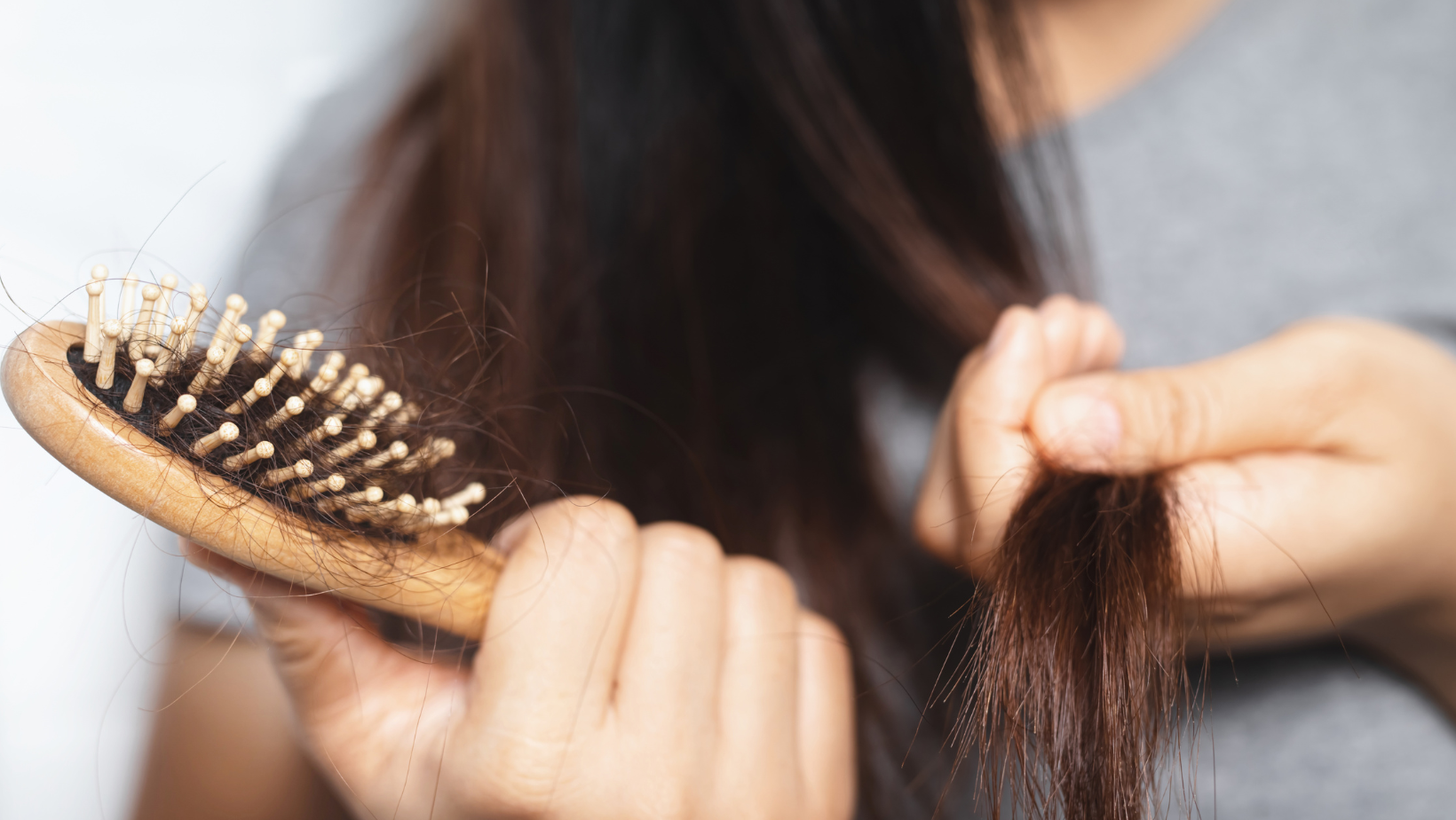
Hair Care For Thinning Hair: Tips and Tricks That Actually Work
Have you ever looked in the mirror and wondered where all your hair went? Spoiler alert: it didn’t pack its bags and head to the Bahamas. Thinning hair can feel like a dubious curse handed down by a vengeful stylist, but fear not. With the right knowledge and effective hair care strategies, we can take back control and give our hair the care it deserves—one strand at a time.
Understanding Thinning Hair
Common Causes of Thinning Hair
Thinning hair isn’t just a natural part of aging; it can happen for many reasons. Genetics play a major role, and if hair thinning runs in your family, you may be more prone to it.
Hormonal changes are another significant factor, especially those linked to pregnancy, menopause, or thyroid imbalances. Stress can also contribute, often showing up physically in ways we don’t expect. Poor nutrition, certain medications, and medical conditions such as alopecia may further accelerate hair thinning.
Understanding the root causes helps us make smarter choices when it comes to hair care and treatment.
Identifying the Right Products
Shampoos and Conditioners for Thinning Hair
Choosing the right hair products is essential. Shampoos and conditioners formulated specifically for thinning hair can help improve volume without weighing strands down. Volumizing formulas with gentle cleansing agents are ideal, as they cleanse the scalp while preserving natural oils.
Avoid heavy products that flatten hair or contribute to buildup, as these can make thinning hair appear even finer.
Top Ingredients to Look For
When selecting hair care products, look for ingredients known to support hair strength and growth, such as:
Biotin, which helps strengthen hair strands
Caffeine, which may stimulate hair follicles
Saw palmetto, a natural ingredient linked to blocking hormones associated with hair loss
Products containing these ingredients can provide targeted support for thinning hair.
Hair Treatments and Solutions
Medical Treatments for Thinning Hair
For more advanced thinning, medical treatments may be worth considering. Minoxidil (commonly known as Rogaine) is a well-known topical treatment that can stimulate hair growth in some individuals.
Consulting a dermatologist can also open the door to prescription treatments tailored to your specific hair loss concerns.
Natural Remedies for Hair Growth
If you prefer natural approaches, several options may help support hair health. Essential oils such as rosemary and peppermint can be massaged into the scalp to promote circulation. Aloe vera is another popular option, known for soothing the scalp and nourishing hair strands.
Natural remedies can often be used alongside medical treatments for a more holistic approach.
Lifestyle Changes for Healthy Hair
Nutrition and Diet Tips
What we eat has a direct impact on hair health. A balanced diet rich in protein, vitamins, and minerals supports stronger, fuller hair. Foods high in omega-3 fatty acids—such as salmon and walnuts—promote scalp health, while leafy greens and colorful vegetables provide essential nutrients that strengthen hair from the inside out.
Stress Management and Hair Health
Stress management is often overlooked but plays a critical role in hair health. Practices like mindfulness, meditation, or yoga can help reduce stress levels and support overall well-being.
Taking time to relax and care for your mental health can make a noticeable difference in the condition of your hair. A calmer mind often leads to healthier hair growth.